Dry Mix Concrete Plant
Delivering Fresh Concrete Without Distance Limits.
Capacity:
25-240m³/h
Type:
Mobile or Stationary
Price:
$10,000 – $200,000
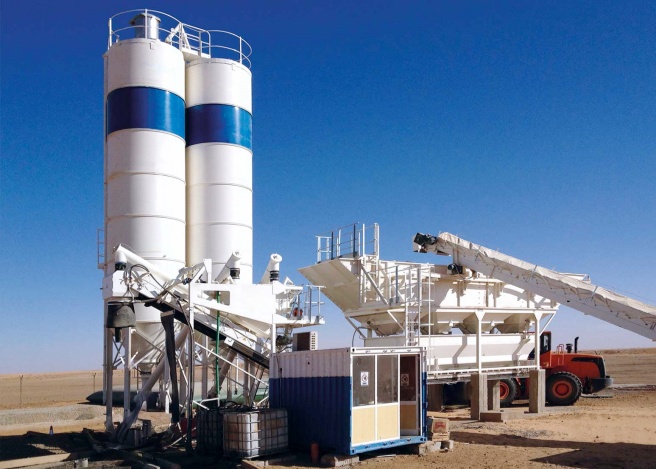
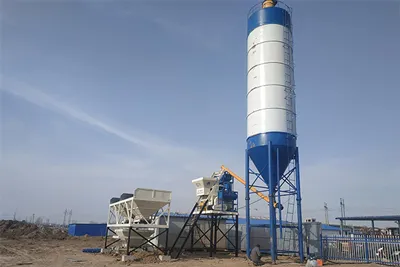
Every dry mix concrete plant we design is built for reliable, long-term performance, using high-quality materials to serve producers of all sizes—from small remote operations to large-scale infrastructure facilities. We deliver a complete, one-stop solution — from layout and engineering to final commissioning — using a modular, integrated approach that aligns with strict quality standards.
You choose the configuration that fits your operation:
- Mixing System: No central mixer required, or optional compact mixing units for special applications.
- Production options: 25–240 m³/h, fully customizable to your daily dry-batching requirements.
- Mobility: Portable plants for easy relocation, or stationary plants for long-term, fixed-site production.
All systems are designed and manufactured to meet the demands of modern dry mix operations, delivering precise batching accuracy, low operating costs, and easy maintenance. Our engineering team works directly with you to tailor a plant that matches your capacity, site conditions, and growth goals.
dry mix Concrete Plants For Sale
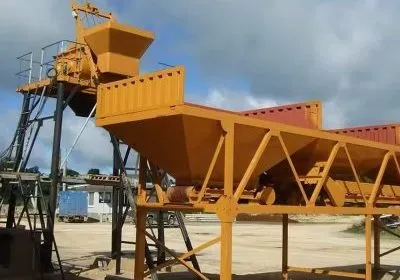
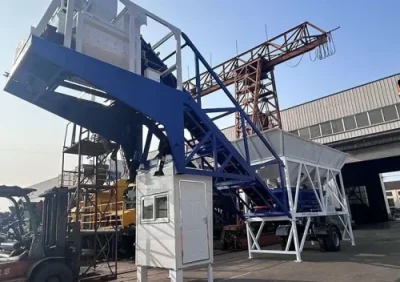
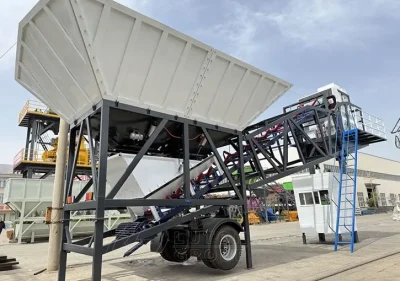
Mobile Dry Mix Concrete Plant
YHZS25 Concrete Plant
Capacity:
25m³/h
Mixer Capacity:
500L
Mixer Type:
JS500
Matched Batcher:
PLD800
YHZS35 Concrete Plant
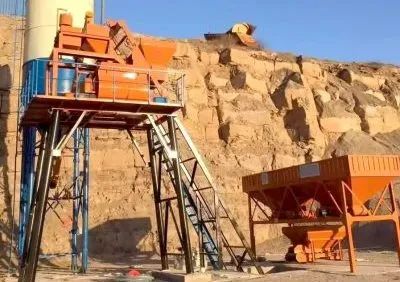
Capacity:
35m³/h
Mixer Capacity:
750L
Mixer Type:
JS750
Matched Batcher:
PLD1200
Stationary Dry Mix Concrete Plant
HZS50 Concrete Plant
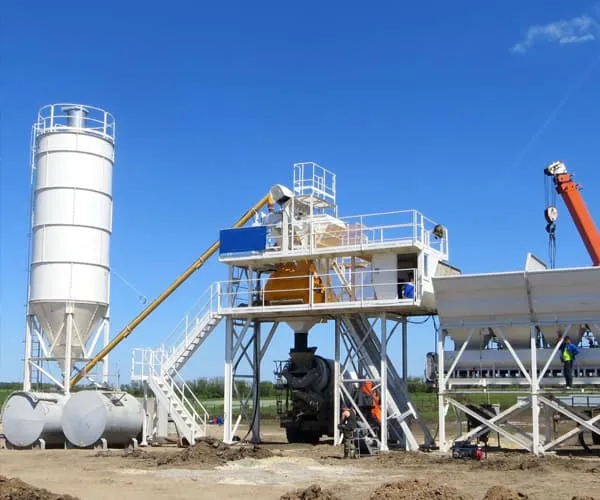
Capacity:
50m³/h
Mixer Capacity:
1000L
Mixer Type:
JS1000
Matched Batcher:
PLD1600
HZS75 Concrete Plant
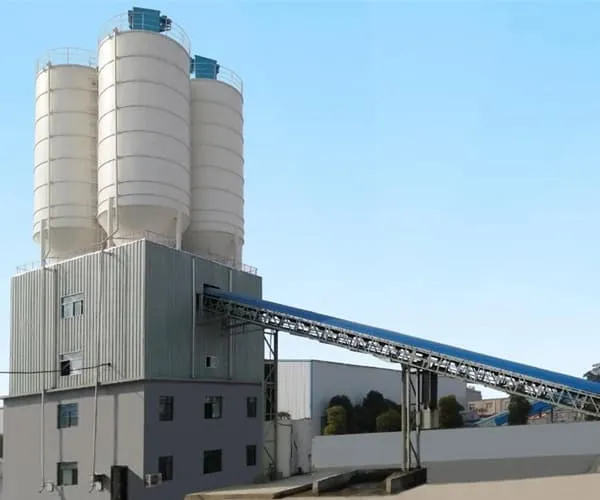
Capacity:
75m³/h
Mixer Capacity:
1500L
Mixer Type:
JS1500
Matched Batcher:
PLD2400
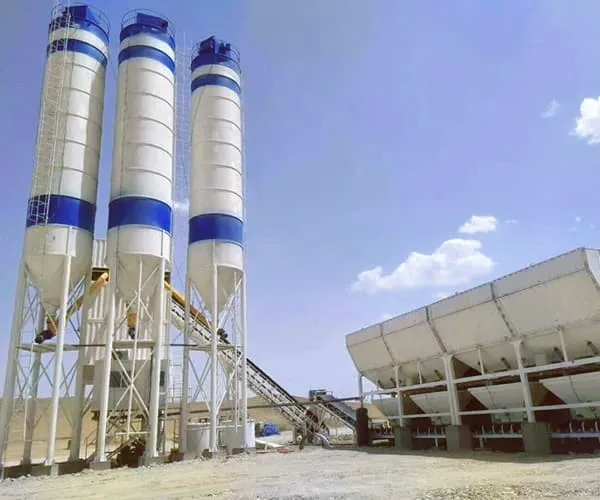
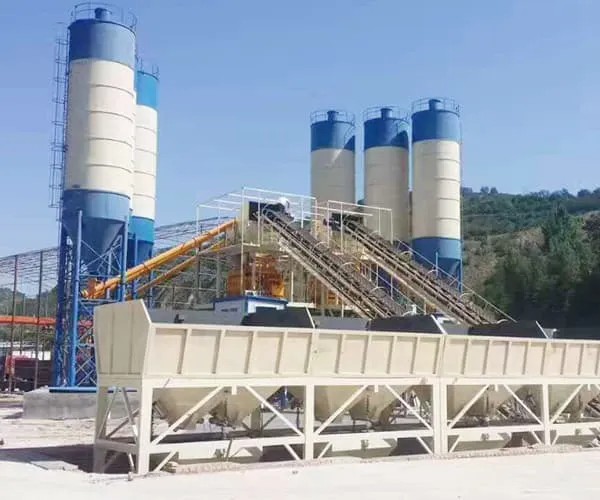
Specifications of dry mix Concrete Plant
Below are the full specifications of our HZS-G series dry concrete plants. If you are not sure which model fits your project, contact us for our experts’ recommendation.
| Type | HZS25G | HZS35G | HZS50G | HZS60G | HZS75G | HZS90G | HZS100G | |
| Theoretical production capacity(m3/h) | 25 | 35 | 50 | 60 | 75 | 90 | 100 | |
| Matched Aggregate Batcher | PLD800 | PLD1200 | PLD1600 | PLD1600 | PL2400 | PLD2400 | PLD3200 | |
| Weighing Accuracy | Aggregate (KG) | 1500Kg ±2% | 2000Kg ±2% | 3000Kg ±2% | 3000Kg ±2% | 4500Kg ±2% | 4500Kg ±2% | 4500Kg ±2% |
| Cement(KG) | 300Kg ±1% | 450Kg ±1% | 900Kg ±1% | 900Kg ±1% | 1500Kg ±1% | 1500Kg ±1% | 1500Kg ±1% | |
| Fly ash(KG) | 500Kg ±1% | 600Kg ±1% | 600Kg ±1% | 600Kg ±1% | 600Kg ±1% | 600Kg ±1% | 1500Kg ±1% | |
| Water (KG) | 200Kg ±1% | 300Kg ±1% | 600Kg ±1% | 600Kg ±1% | 600Kg ±1% | 600Kg ±1% | 1000Kg ±1% | |
| Additive(KG) | 20Kg ±1% | 30Kg ±1% | 100Kg ±1% | 100Kg ±1% | 100Kg ±1% | 100Kg ±1% | 100Kg ±1% | |
Note: Specifications above are for reference only. If you want Mobile type or exact configuration, voltage, and shipping plan based on your project, please send us your project details — we usually reply within 12 hours.
Dry Mix Concrete Plant Price
A standard dry batch concrete plant generally costs between $10,000 and $200,000 USD (Note: This is a baseline reference; contact our engineering team for a precise, site-specific quotation).
Because they operate without a central mixer—relying instead on transit mixers for mixing—dry batch plants require a significantly lower initial capital investment. Your exact budget will depend on your target capacity (25m³/h to 240m³/h) and plant type:
- Entry-Level Budget ($10,000 – $30,000+): Covers low-to-medium capacity (YHZS25-60 and HZS25-75) plants. Ideal for local contractors needing a cost-effective, straightforward batching solution with minimal maintenance.
- Mid-to-High Budget ($30,000 – $200,000+): Covers high-capacity setups (YHZS60-90 and HZS90-240) and highly integrated mobile plants. Mobile configurations save on foundation costs and enable rapid site relocation, while large stationary setups deliver continuous, commercial-scale production.
Beyond capacity and type, customized aggregate feeding methods, weighing precision, and automated control systems will also influence your final investment.
Applications: What is Dry Mix Concrete Used For?
From large-scale government contracts to specialized local projects, dry batching delivers an economical and highly adaptable solution for modern construction.
- Major Infrastructure: High-volume supply for roads, bridges, and dams. The dry semi-finished product offers superior storage stability and consistency, ensuring uniform quality across large-scale construction spans.
- Remote & Small Sites: Ideal for distant projects. In-truck or on-site water addition eliminates the risk of premature setting, ensuring fresh concrete regardless of transit time or site delays.
- Emergency Engineering: Rapid response for disaster relief and urgent repairs, allowing for immediate staging of dry materials.
- Precast Concrete Plants: High-precision dry-mix supply for manufacturing structural components like floor slabs, beams, and columns.
- Commercial Ready Mix Concrete Plants: Functions as a flexible pre-batching station, significantly extending a commercial supplier’s profitable delivery radius.
Explore Our Precast Concrete Plant Projects
Discover how our dry mix concrete plant translate these core technical advantages into measurable commercial success and maximum ROI for contractors and concrete suppliers worldwide.
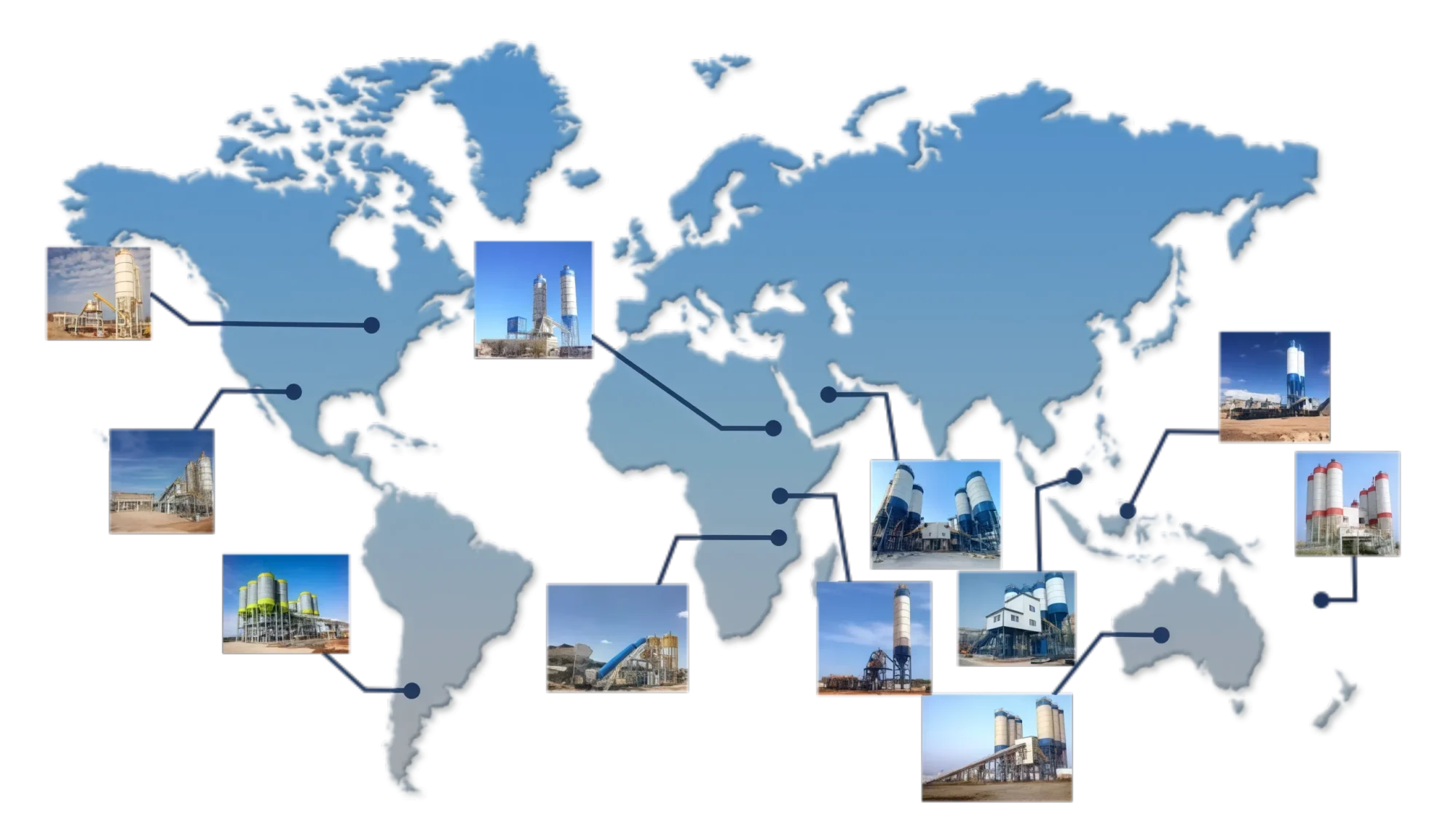
Accelerating Highway Construction – HZS120 Dry Mix Plant in Kenya
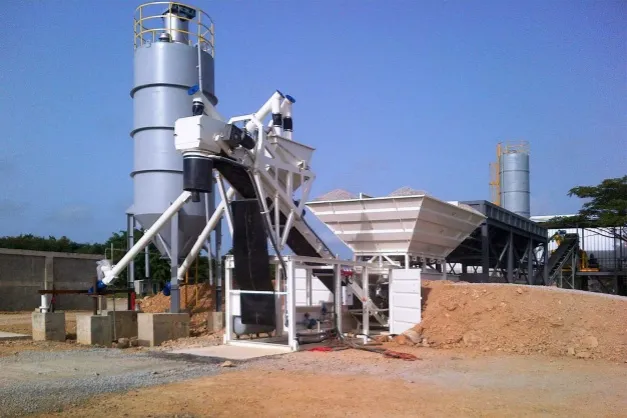
To supply a major multi-phase road infrastructure project in Nairobi, a leading local contractor installed our 120m³/h stationary dry mix plant. Engineered with a specialized telescoping discharge chute to minimize dust and prevent material segregation during truck loading, this high-capacity plant ensured rapid transit-mixer turnaround and continuous high-volume material supply, keeping the project well ahead of schedule.
Flexibility for Remote Projects – YHZS40 Dry Batch Plant in Saudi Arabia
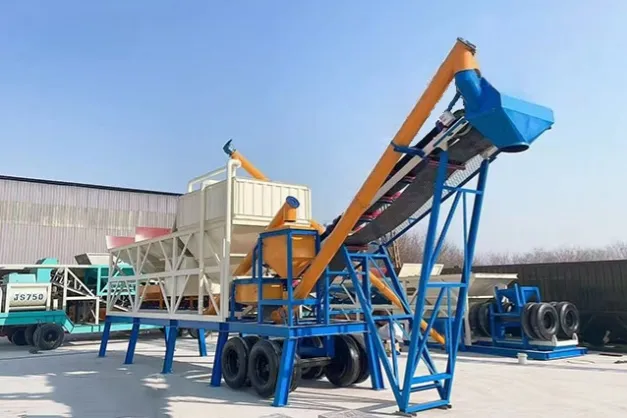
Facing the challenge of shifting project sites across remote desert terrain, an infrastructure developer deployed our mobile 40m³/h dry batch plant. It required zero foundation work and allowed for rapid setup and relocation. Equipped with a high dosing, the plant delivered consistent transit-mix quality while cutting relocation downtime by over 50%.
Optimizing Commercial Transit-Mix – Automated 100m³/h Dry Plant in Mexico
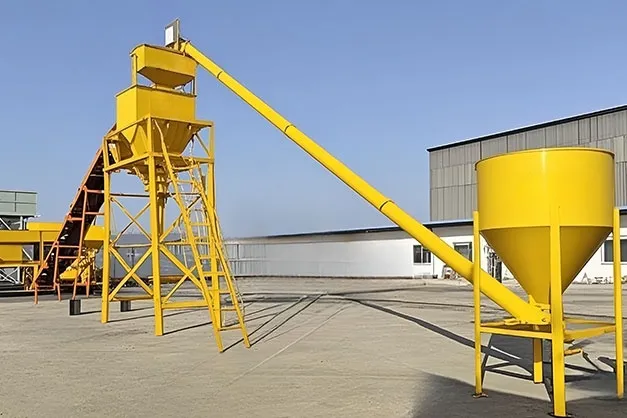
Aiming to expand their-capacity belt conveyor and a specialized anti-segregation discharge chute, the plant optimized continuous transit-mixer loading. This setup eliminated commercial concrete delivery radius, a visionary supplier in Monterrey upgraded to our fully automated 100m³/h dry concrete truck bottlenecks, maximizing daily production volume and ensuring uninterrupted supply across multiple project sites.
Dry Mix vs Wet Mix Concrete Plant
Not sure whether a dry mix or wet mix concrete plant is right for your operation? Let’s break down the key differences to help you make an informed decision.
| Dry Mix Concrete Plant | Wet Mix Concrete Plant | |
| Definition | Mixes only dry materials (cement, aggregates, additives) – no water added. Final mixing is completed in transit mixers or on job sites. | Completes water mixing in-plant, producing ready-to-pour wet concrete that can be used immediately upon delivery to the job site. |
| Mixing Method | No central mixer; relies on transit mixers for final blending. | Equipped with a central mixer, completing full mixing in one step at the plant. |
| Equipment Structure | Simple design, no complex mixing system, with fewer wear parts. | Complex design, including a main mixing unit, water supply system, and more components. |
| Transport Capability | No risk of solidification for dry materials, enabling long-distance transport (ideal for remote job sites). | Wet concrete is prone to setting, limiting transport to short, local radii only. |
| Initial Investment | Lower (simple structure, minimal upfront cost). | Higher (complex equipment, larger initial investment). |
| Operating Cost | Low energy consumption, minimal maintenance, and reduced labor requirements. | High energy consumption, intensive maintenance, and regular cleaning of the mixing unit required. |
| Applications | Remote job sites, large-scale infrastructure projects, precast concrete plant supply, and high-temperature/arid regions. | Local job sites, high-volume fixed projects, and projects demanding extremely high concrete uniformity. |
| Environmental Performance | Zero wastewater discharge, low dust emissions, and green construction compatibility. | Generates wash wastewater and slurry, resulting in high environmental treatment costs. |
- If you require highly consistent, ready-to-pour concrete for large-scale, short-distance projects, a wet mix plant is the better choice.
- If you prioritize lower cost, long-distance transport, zero wastewater, and flexible operation, a dry mix plant is more suitable for your needs.
Core Components of a Dry Batch Concrete Plant
Engineered for rapid transit-mixer loading, our dry mix concrete plants utilize high-precision batching and conveying systems without relying on a central mixer.
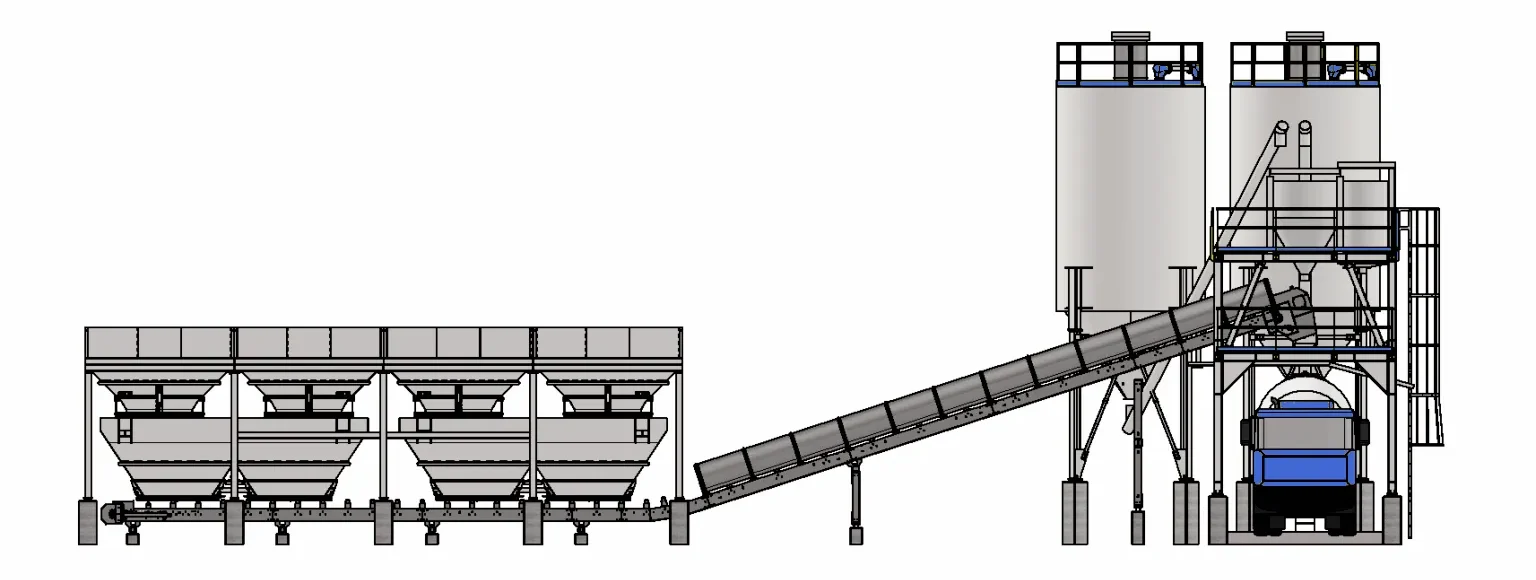
- Aggregates Batching Machine: Typically configured with 3 to 4 bins and fed by a wheel loader. Pneumatic cylinders independently control the discharge gates, releasing coarse and fine aggregates precisely into the bottom weighing hopper.
- High-Precision Weighing System: Features an automatic drop difference compensation function. Aggregates, cement, water, and additives are weighed independently via premium load cells to guarantee exact mix proportions. Our high-precision load cells guarantee industrial-grade accuracy: ±2% for aggregates and an ultra-strict ±1% for cement, fly ash, water, and chemical additives. This surgical precision ensures your concrete meets the exact engineering strength requirements every time without material waste.
- Aggregate Conveying System: Once weighed, aggregates are transferred continuously to the central discharge point via a heavy-duty belt conveyor or lifting hopper.
- Specialized Discharge Chute (Truck Loading): Unlike wet plants that use a twin-shaft mixer, dry plants drop materials directly into the transit mixer. Our engineered discharge chute ensures proper layering of aggregates, cement, and water while minimizing dust and material segregation during loading.
- Smart Control System: Managed by an industrial computer supporting both automatic and manual operations with real-time data processing. Built with top-tier PLCs and Schneider electrical components, it reliably stores mix ratios and prints production reports. The system is housed in a temperature-controlled, insulated container cabin to protect electronics and ensure operator comfort.
How Does a Dry Mix Concrete Plant Work?
The production process of a dry mix concrete plant follows a strictly controlled and highly efficient sequence of steps:
Step 1: Material Feeding
Aggregates are fed into the batching bins via a wheel loader, while cement and fly ash are delivered from the silos into their hoppers via screw conveyors.
Step 2: Precision Weighing
The electronic load-cell system accurately measures out the exact proportions of aggregates, powders, and additives based on the programmed mix recipe.
Step 3: Direct Discharging (Dry Loading)
The pre-weighed dry materials are discharged simultaneously through a specialized charging chute directly into the drum of a transit mixer truck.
Step 4: Water Addition & Final Mixing
Metered water is injected into the truck drum along with the dry materials. The transit mixer rotates continuously at mixing speed, completing the final wet blending during transport or right before pouring at the construction site.
DRY mix vs PRECAST vs RMC plant
Below is a side-by-side comparison of their core roles, functions, and ideal applications to guide your decision-making.
| Dry Mix Concrete Plant | Precast Concrete Plant | Ready Mix Concrete Plant | |
| Target For | A dry material batching equipment (supplies semi-finished products) | A finished concrete component manufacturing facility (produces end products) | A commercial ready-mix concrete supply station (delivers finished wet concrete) |
| Function | Precisely batches dry materials without water, for final mixing at later stages | Receives dry/wet concrete mix, casts into molds, cures, and produces precast components (slabs, beams, columns, etc.) | Mixes wet concrete in-plant and delivers it directly to job sites for immediate use |
| Output | Dry concrete blend (semi-finished product) | Precast concrete components (finished products, ready for direct installation) | Ready-mix wet concrete (finished product, ready for direct pouring) |
| Relationship with Dry Mix Plant | The core equipment itself | A key customer of dry mix plants (dry mix plants supply dry materials to precast plants) | Can serve as a complementary equipment (for supplementary dry material supply or emergency backup) |
| Applications | Long-distance material supply, flexible adaptation to various job sites/plant operations | Mass production of standardized components, large-scale infrastructure support | Urban nearby job sites, high-volume concrete supply |
| Investment Scale | Medium to low (only batching equipment, customizable for small/large capacities) | High (requires factory buildings, molds, curing equipment, etc.) | Medium to high (requires complete mixing, storage, and transportation systems) |
| Key Advantages | Flexibility, low cost, suitability for long-distance transport, easy maintenance | Standardization, mass production, consistent component quality | High efficiency, uniform concrete quality, reduced on-site mixing time |
- If you need standardized, high-quality precast concrete components produced on a large scale, a precast concrete plant is the best fit. Learn more about PRECAST CONCRETE PLANT →
- If you require on-demand, ready-to-pour wet concrete for local job sites, a ready mix concrete plant is more suitable. Learn more about READY MIX CONCRETE PLANT →
- If you prioritize flexible dry material batching, long-distance transport, and low-waste operation, a dry mix concrete plant is the ideal solution.
DRY MIX CONCRETE PLANT COST
Dry Mix Concrete Plant Cost: Maximizing Your Long-term ROI
Compared to traditional wet mix concrete plants, a dry mix setup fundamentally transforms your cost structure by maximizing operational savings in energy, maintenance, and transportation. By eliminating the heavy-duty central twin-shaft mixer, modern automated dry mix plants cut daily power consumption by up to 30%. Maintenance costs plummet as well; without the need for daily mixer wash-downs or constant replacements of wear liners and mixing blades, annual maintenance is kept strictly below 2%–3% of the total equipment investment. Furthermore, dry batching drastically optimizes transportation costs. Since water is added directly in the transit mixer at or near the site, it eliminates the risk of concrete early-setting during long-distance hauling, expanding your profitable delivery radius and preventing rejected loads. Due to the lower initial capital requirement and continuous high-volume output, most of our clients achieve full ROI within a remarkably short payback period of 1 to 2 years.
Setup Cost: Streamlining Logistics and Commissioning
Project planning must cover civil works, installation, and environmental compliance. Because dry mix plants lack the massive, vibrating central mixing platform required by traditional wet plants, their structural footprint is significantly lighter. For stationary models, civil foundation costs are typically reduced to just 8%–15% of the equipment value, while our mobile dry batch units require almost zero foundation work. Our modular, pre-wired design cuts on-site installation time by up to 50% compared to standard wet plants, keeping total commissioning costs firmly around 3%–5% of the equipment value. Depending on your region, local environmental dust-control filings and international certifications (CE/ISO) generally range from $2,000 to $5,000 USD.
How to Choose the Right Dry Mix Plant?
Selecting the correct dry mix concrete batching plant configuration is critical to preventing production bottlenecks and maximizing your ROI. Here is our 3-step evaluation process:
1. Calculate Your Peak Production Demand
Never choose a plant based on average demand; always design for the peak. For example, if your project requires 1,000 m³ of concrete per day over an 8-hour shift, you need a plant with an actual throughput of at least 125 m³/h. We recommend adding a 20% capacity buffer to prevent equipment overstrain.
2. Evaluate Site Footprint & Mobility
Your available land will dictate the layout. Choose our mobile chassis models (YHZS series) if you are managing multiple highway phases and need rapid relocation. Opt for a stationary setup (HZS series) for long-term commercial hubs where large-scale aggregate storage is the priority.
3. Determine the Level of Automation
Opt for our fully automated PLC smart control system (equipped with Schneider electrics) for professional operations. It logs real-time data and features automatic difference compensation, which drastically reduces human error compared to semi-automatic setups.
Eco-Friendly & Zero-Waste Operation of Dry Mix Concrete Plant
Beyond cost and efficiency, our dry mix concrete plants stand out for their industry-leading environmental performance and zero-waste design—aligning with global green construction standards while reducing your operational costs.
Zero Wash Water Waste & No Polluted Discharge
- No water is added during mixing → no wet concrete residue remains
- No need to clean mixers, hoppers, or pipelines → no wastewater, slurry, or solid waste
- No costly wastewater treatment tanks or settling basins required
- Meets strict environmental standards (EU CE, Middle East, Southeast Asia, etc.)
Fully Sealed Design for Low Dust & Emission Control
- Aggregate bins, cement silos, and screw conveyors are fully sealed to contain dust
- Standard pulse bag filter dust collectors prevent dust leakage during loading, batching, and discharge
- Keeps work sites clean, avoids noise/dust complaints, and passes environmental inspections easily
Eliminate Concrete Material Waste
- Dry mix can be stored long-term without solidifying or spoiling
- No expired concrete waste, unlike wet mix plants
- Reduces material loss while lowering your carbon footprint
- Aligns with global carbon neutrality and green construction goals
Minimal Foundation to Reduce Land Disturbance
- Mobile dry mix plants require no heavy concrete foundations
- No land damage or construction debris left behind during relocation
- Ideal for temporary job sites, emergency projects, and off-road construction
What is a Dry Mix Concrete Plant?
A dry mix plant automates precise batching and preliminary dry mixing, splitting production into two stages. The facility ensures recipe accuracy before discharging dry mix into bags, silos, or trucks. Final water addition and wet mixing occur at the construction site or during transport, maximizing material shelf-life and delivery radius.
Key Advantages of Dry Mix Concrete Plants
Investing in a dry mix concrete batching plant offers a strategic balance of operational flexibility and significant long-term cost savings across diverse construction projects.
Cost Advantages: Maximizing Your Bottom Line
- Lower Initial Investment: By eliminating the expensive central twin-shaft mixer, the equipment structure is simplified, drastically reducing your upfront capital expenditure (CAPEX).
- Reduced Energy Consumption: Without a high-power central motor to drive, the plant operates on much lower total wattage, significantly cutting monthly electricity costs.
- Simplified Maintenance: With fewer mechanical moving parts and no mixer liners or blades to replace, routine maintenance is faster and overall spare parts costs are kept to a minimum.
Performance Advantages: Precision and Productivity
- High-Precision Batching: Advanced load-cell weighing systems ensure exact material proportions, maintaining consistent dry-mix quality for every batch.
- Efficient Continuous Output: The streamlined discharge process supports rapid, continuous operation, meeting the high-volume demands of large-scale infrastructure projects.
- Superior Reliability: Built with heavy-duty, wear-resistant components, these plants boast a lower failure rate, ensuring your project timeline remains uninterrupted.
Adaptability Advantages: Greater Operational Reach
- Extended Transport Radius: Since materials remain dry until they reach the site or truck-mixing stage, there is zero risk of premature setting, allowing for long-distance delivery to remote locations.
- Flexible Recipe Management: The system allows for rapid formula adjustments, making it easy to switch between bagged dry-mix production and direct transit-mixer loading.
Environmental Advantages: Clean and Compliant Operations
- Zero Wastewater Discharge: Unlike wet plants, dry mix plants require no daily mixer wash-downs, completely eliminating the need for expensive wastewater treatment systems.
- Advanced Dust Control: Fully enclosed batching and specialized pulse-jet dust collectors at discharge points ensure your site meets the strictest international environmental and “green construction” standards.
Why choose us?
For over twenty years, we have focused on building high-performance concrete plants through smart engineering and dedicated support. We provide complete construction solutions that help our clients tackle their most difficult projects successfully.
Global Leadership & Proven Expertise
With over 20 years of expertise, we are a leading manufacture of high-performance concrete plants, ranking in the global Top 10 for eight consecutive years. We have delivered 3,800+ units across 110 countries, holding a dominant 18-22% market share in key regions. Unlike standard suppliers, we provide complete construction solutions tailored to help you tackle the most complex precast projects.
Innovation & Factory Precision
We invest 4% of our annual revenue into R&D to ensure our equipment handles local voltages, extreme climates, and strict compliance standards. Quality is built-in at our intelligent factory through robotic welding and CNC machining. To guarantee reliability, every unit undergoes a 100% full-load trial run before dispatch, keeping our post-sales failure rate at just 1/3 of the industry average.
Customized Solutions & Global Support
We reject “one-size-fits-all” and instead offer a “One Project, One Plan” strategy—specializing in everything from zero-emission urban plants to specialized mining setups. Trusted by 21 of the Global Top 50 contractors, we back our equipment with 16 overseas subsidiaries and 120+ local dealers, ensuring rapid response times and lifecycle technical support wherever your project is located.
Operation & Maintenance Guide for Zero Downtime
While dry mix plants are celebrated for their minimal maintenance compared to wet plants, proactive care is essential for maintaining peak efficiency:
- Material Moisture Management: Ensure your cement and fly ash silos are perfectly sealed. High humidity can cause powder clumping, which clogs screw conveyors and disrupts mix proportions.
- Dust Collection Filtration: Regularly inspect and clean the bags in your pulse-jet dust collectors. Clean filters maintain proper internal pressure and prevent airborne particles during the high-speed truck loading phase.
- Weighing Calibration: If material weight distribution becomes uneven, check for debris interfering with the aggregate load cells. Recalibrating the sensors via the smart control system ensures your accuracy never drifts beyond ±1%.
Full-Lifecycle Service: Engineering Your Success from Planning to Production
A precast concrete plant is a major asset. We provide end-to-end support to ensure peak production stability and rapid cost recovery.

Pre-Sales: Strategic Consulting & Site Planning
We provide tailored technical roadmaps rather than simple quotes. By analyzing your materials and timeline, we recommend the ideal plant configuration. To optimize limited site space and traffic flow, our engineers provide detailed Site Planning Drawings and Foundation Layouts. Furthermore, our comprehensive ROI Analysis projects costs and profitability, ensuring confidence in your investment.

In-Sales: Professional Installation & Team Empowerment
We ensure rapid deployment through remote or on-site Installation Guidance following strict mechanical standards. After assembly, rigorous System Commissioning fine-tunes weighing and mixing accuracy to guarantee concrete quality. Concurrently, we deliver comprehensive Operator Training on operation, safety, and troubleshooting, empowering your staff to manage the plant independently.
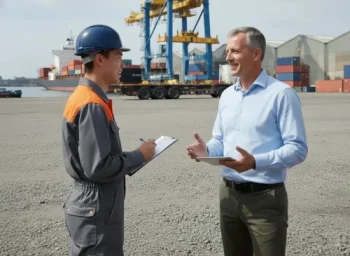
After-Sales: Operational Security & 24/7 Support
We safeguard your productivity against downtime. Our 24/7 Technical Support ensures experts are always available to resolve issues and minimize disruptions. We provide proactive Maintenance Schemes to extend equipment lifespan, backed by a rapid supply chain for essential wear parts, keeping your plant running at full capacity.
Global Logistics & Delivery Standards
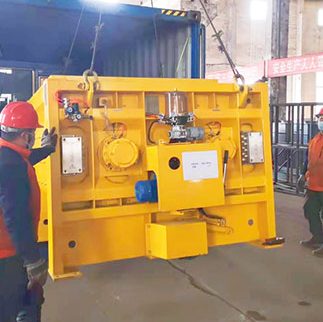
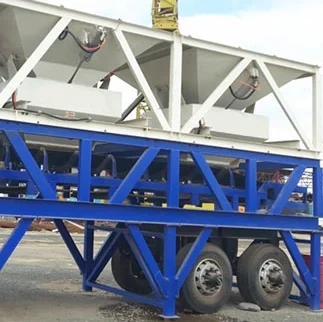
Engineered for export, our concrete batch plant utilize a modular containerized design that significantly reduces sea freight costs and simplifies the unloading process at your site.
Order
Production
Shipment
Discover More Products
Your project has unique demands. Our solutions are engineered to meet them.
Provide our senior engineering team with your project details—such as required output capacity, site conditions, and specific configuration needs. We will promptly deliver a comprehensive proposal, complete with a tailored equipment list and a transparent quote designed to maximize your return on investment.
Let’s build your success together.
Other TYPES You May Need
faq
Yes. With accurate batching and proper mixing in transit, dry mix concrete meets the same strength and durability standards as wet mix concrete.
Since no water is added at the plant, dry mix concrete can be transported over much longer distances (hundreds of kilometers) without setting prematurely.
Stationary models require a basic foundation, while mobile dry mix plants need no foundation at all—they can operate on flat, compacted ground.
Yes. Dry mix plants are commonly used to supply consistent, measured dry materials to precast factories.