Global Engineering Excellence
for Concrete Plants
Double Control System
Thicker Heavy Frame
CE, ISO, SGS & BV Certified
Stationary concrete plant, Mobile concrete plant, Ready Mix concrete plant, Precast concrete plant, Dry Mix concrete plant, and more
about us
About us

We engineer a complete lineup spanning 25m³/h to 240m³/h. Whatever your project scale, we provide the exact configuration to guarantee your success.
20+ years of experience
Qualifity Certificates
24/7 Service
As a direct manufacturer with 20+ years of experience, our concrete plants easily handle unstable voltage, extreme weather, and signal problems. Built with heavy-duty steel and backup control systems, they keep your projects running 24/7 without sudden stops. No middlemen—just strong equipment at factory-direct prices.
Direct Factory Expertise for Global Challenges
From the high heat of Middle Eastern deserts to the unstable power grids in Africa, we’ve successfully delivered 1,500+ installations.
Strict Quality Approval – SGS, CE, ISO & BV
As an ISO9001 certified manufacturer, every plant we produce undergoes 26 strict inspection points—including raw material ultrasonic testing and a pre-shipment trial run—to guarantee zero defects upon arrival.
Full-Lifecycle Support – Site layout to 24/7 Service
We provide a complete turnkey experience, including ROI analysis, professional layouts, and installation training. Keep your plant at peak capacity with our expert 24/7 technical backup.
products
concrete plants for sale
From small rural builds to mega-projects, and no matter your project size, you need equipment that runs reliably without eating into your profits. Browse our full range of stationary and mobile plants below to discover the exact stable setup tailored to your mission.
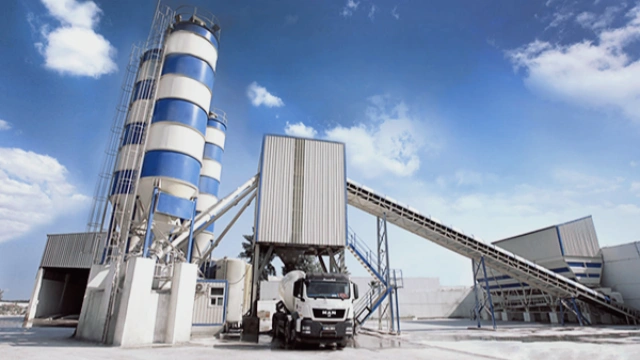
stationary Concrete Plant
Best for: Large construction projects and long-term jobsites.
Capacity: 25 – 240 m³/h
Heavy-duty steel structure for continuous, high-volume production. Built with our anti-interference system for absolute stability on your biggest projects.
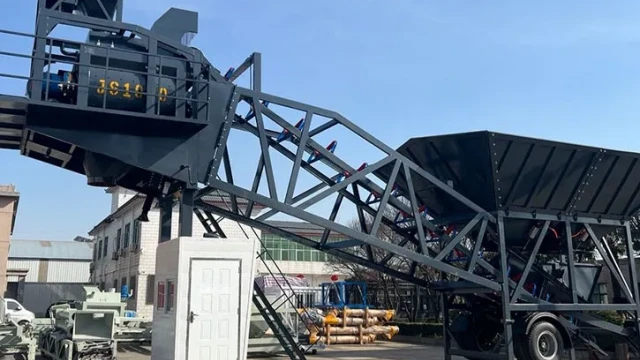
mobile Concrete Plant
Best for: Road/bridge construction and contractors who move frequently.
Capacity: 25 – 100 m³/h
Fully assembled on a towable chassis. Fast installation, easy relocation, and stable operation even on rough, remote terrains.
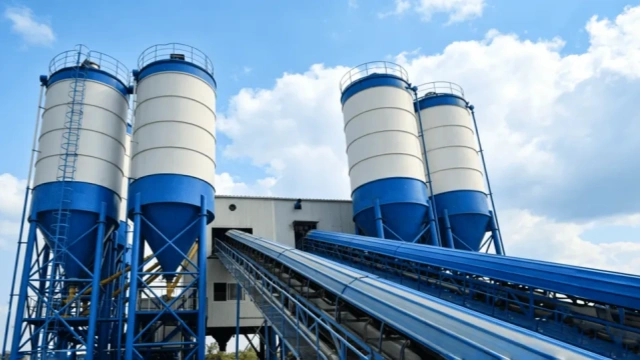
ready mix Concrete Plant
Best for: Commercial concrete suppliers selling to local markets.
Capacity: 25 – 90 m³/h
Design for high-precision weighing. Maximize your daily profits by saving cement and delivering top-quality commercial concrete.
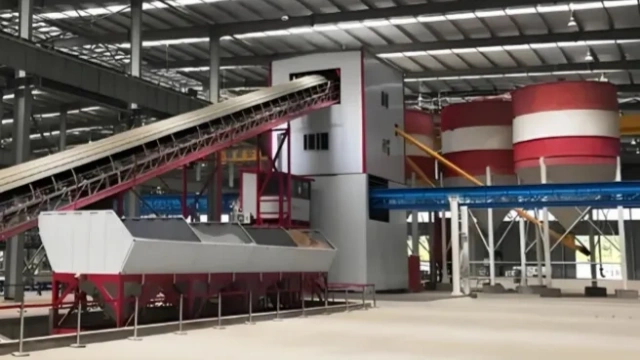
Precast Concrete Plant
Best for: Factories making concrete blocks, pipes, and PC panels.
Capacity: 25 – 240 m³/h
Tailor-made for precast factories. Mixes highly uniform, zero-slump concrete with extreme precision to ensure every precast element is flawless.
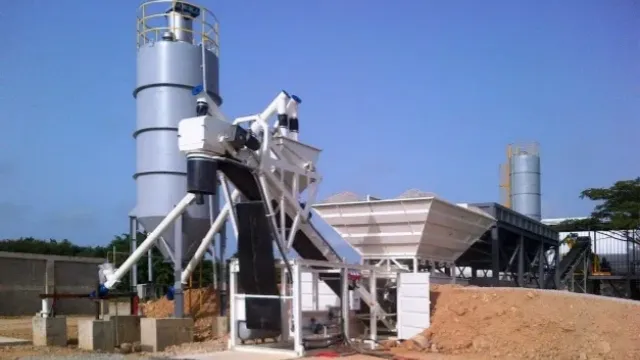
dry mix Concrete Plant
Best for: Suppliers of dry mortar, plaster, and bagged mixtures.
Capacity: 25 – 240 m³/h
Specialized dry blending system. Perfect for producing stable, well-mixed dry materials with an excellent dust-control system and fast discharge.
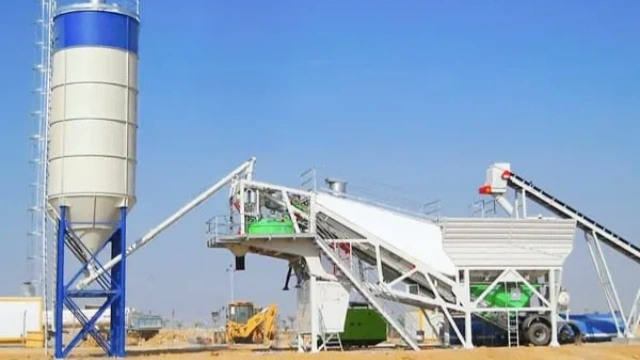
small Concrete Plant
Best for: Small contractors, rural building, and tight-space jobsites.
Capacity: 25 – 90 m³/h
Low investment and compact design. Very easy to operate and maintain, delivering reliable concrete without needing a large, expensive foundation.
price
How Much Does a Concrete Plant Cost?
Get transparent, manufacturer-direct pricing on concrete plants engineered for reliable operation. Our estimated price ranges vary based on different plant types, production capacities, and specific customized equipment, ensuring your investment pays off through continuous, trouble-free production in any environment.
Small Scale (25 – 50 m³/h): $25,000 — $60,000
Ideal for local contractors. Solves “foundation headaches” for rural or tight-space jobsites, delivering reliable concrete with minimal investment.
Medium Scale (60 – 100 m³/h): $30,000 — $120,000
Designed for road contractors needing fast relocation, and ready-mix owners demanding high weighing accuracy to save cement costs and protect daily profits.
Large Scale (120 – 240 m³/h): $165,000 — $300,000
Ideal for local contractors. Solves “foundation headaches” for rural or tight-space jobsites, delivering reliable concrete with minimal investment.
our solution
Tailored Concrete Solutions for Every Industry
Explore how our field-proven plants deliver stable, uninterrupted concrete production for every specific construction sector.
Your project deserves a custom-fit design.
We listen to your needs and apply our professional expertise to build the most efficient plan for you.
global cases
Our Concrete Plant Projects worldwide
Join 1,500+ project owners in 100+ countries who trust our equipment. Our massive global experience ensures your project is always in safe hands
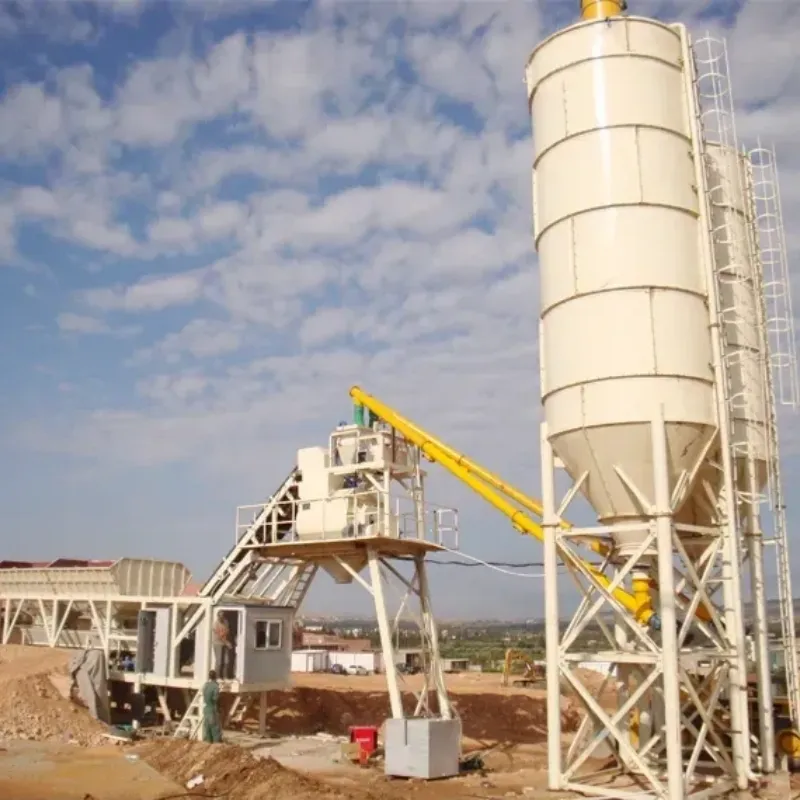
Mobile Plant YHZS60 in India
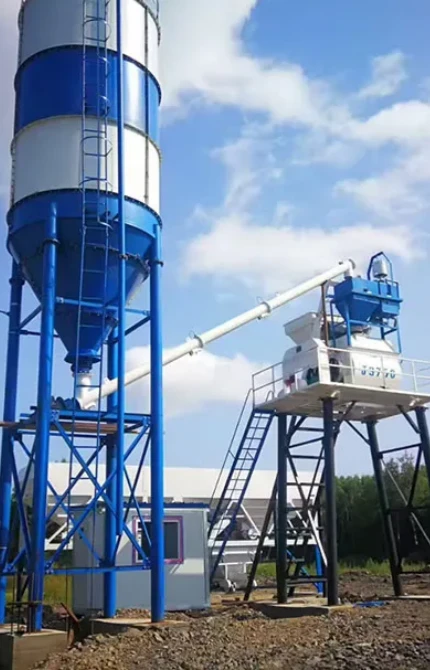
Mobile Plant YHZS60 in India
Application: Highway construction project.
Customer needs: Fast relocation between different job sites and stable operation under high local temperatures.
Our solution: We supplied a YHZS60 mobile batching plant with a heavy-duty towable chassis and a heat-resistant control cabinet. It allowed the customer to relocate and start production in just 3 days, maintaining zero downtime even in 45°C weather.
RMC HZS120 in Philippines
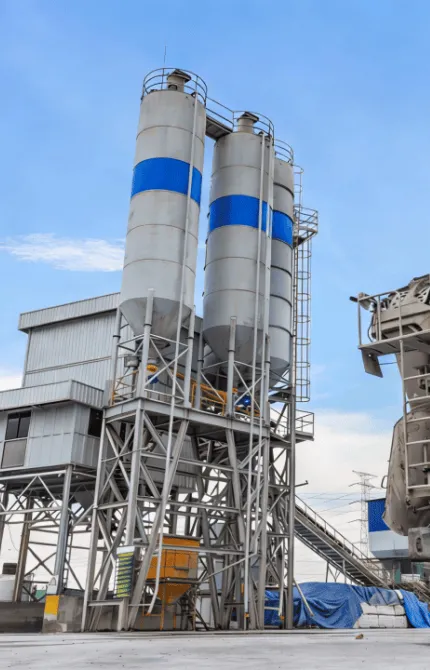
RMC HZS120 in Philippines
Application: Commercial RMC business.
Customer needs: High-capacity daily production and highly accurate weighing to save expensive cement costs.
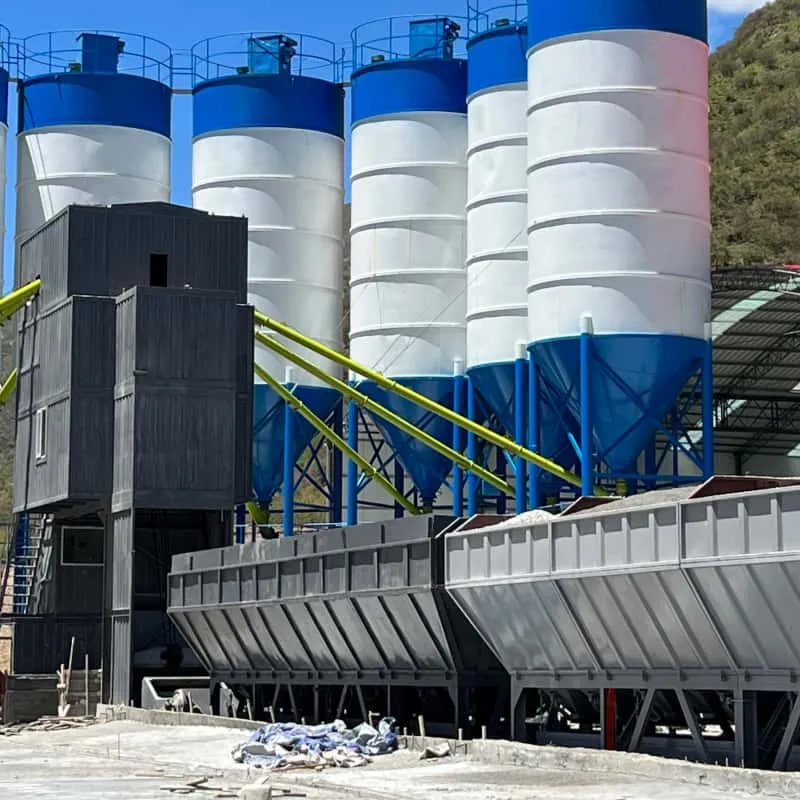
Our solution: We provided a HZS120 stationary plant equipped with an advanced Siemens PLC and dynamic drop compensation. This high-precision system cut the customer’s material waste by 1.5%, significantly maximizing their daily profits.
Stationary Plant HZS50 in Tanzania
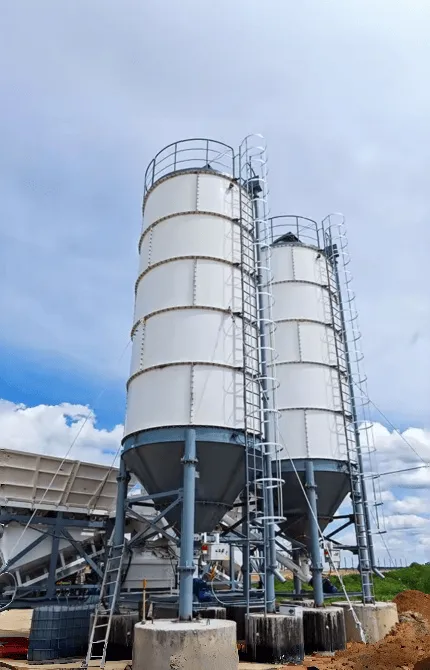
Stationary Plant HZS50 in Tanzania
Application: Rural bridge construction.
Customer needs: Reliable equipment that can handle frequent voltage fluctuations in remote areas without breaking down.
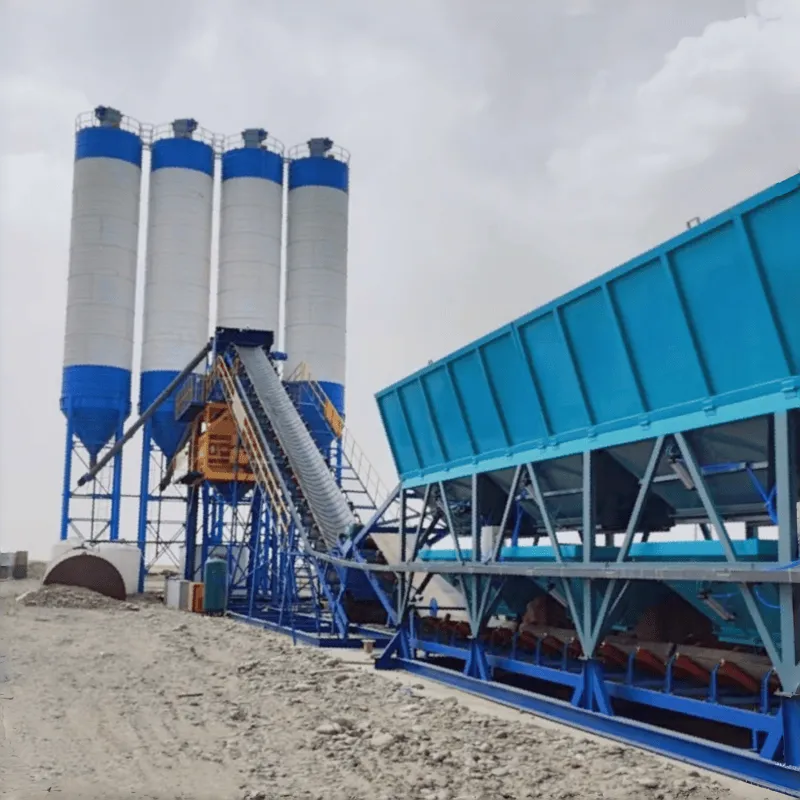
Our solution: We delivered a HZS50 concrete plant installed with our safe isolated power system and shielded signal cables. The plant easily solved the unstable local power problem, ensuring continuous concrete pouring without any PLC crashes.
Precast Plant HZS75 in Mexico
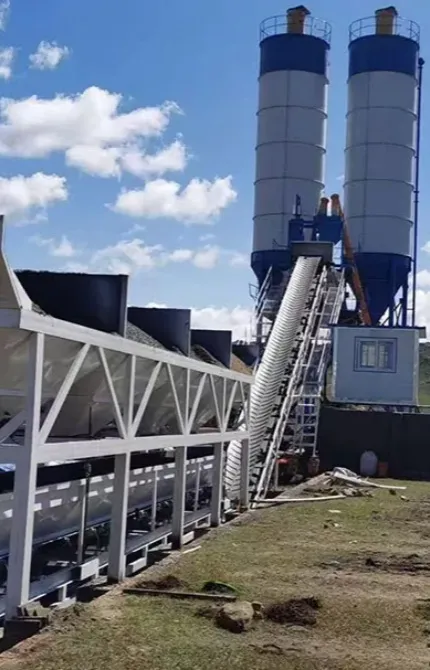
Precast Plant HZS75 in Mexico
Customer needs: Highly uniform mixing for zero-slump concrete and a stable automated system to reduce the defect rate of precast parts.
Our solution: We customized a HZS75 precast concrete plant featuring a heavy-duty twin-shaft mixer tailored for dry concrete. It provided an ultra-uniform blend, ensuring zero-defect production for high-strength elements and speeding up their batching cycles.
Mobile Plant YHZS60 in India
Application: Highway construction project.
Customer needs: Fast relocation between different job sites and stable operation under high local temperatures.
Our solution: We supplied a YHZS60 mobile batching plant with a heavy-duty towable chassis and a heat-resistant control cabinet. It allowed the customer to relocate and start production in just 3 days, maintaining zero downtime even in 45°C weather.
RMC HZS120 in Philippines
Application: Commercial RMC business.
Customer needs: High-capacity daily production and highly accurate weighing to save expensive cement costs.
Our solution: We provided a HZS120 stationary plant equipped with an advanced Siemens PLC and dynamic drop compensation. This high-precision system cut the customer’s material waste by 1.5%, significantly maximizing their daily profits.
Stationary Plant HZS50 in Tanzania
Application: Rural bridge construction.
Customer needs: Reliable equipment that can handle frequent voltage fluctuations in remote areas without breaking down.
Our solution: We delivered a HZS50 concrete plant installed with our safe isolated power system and shielded signal cables. The plant easily solved the unstable local power problem, ensuring continuous concrete pouring without any PLC crashes.
Precast Plant HZS75 in Mexico
Customer needs: Highly uniform mixing for zero-slump concrete and a stable automated system to reduce the defect rate of precast parts.
Our solution: We customized a HZS75 precast concrete plant featuring a heavy-duty twin-shaft mixer tailored for dry concrete. It provided an ultra-uniform blend, ensuring zero-defect production for high-strength elements and speeding up their batching cycles.
Ready to build your own high-performance concrete plant?
Join hundreds of satisfied project managers worldwide and maximize your ROI today.
gallery
gallery
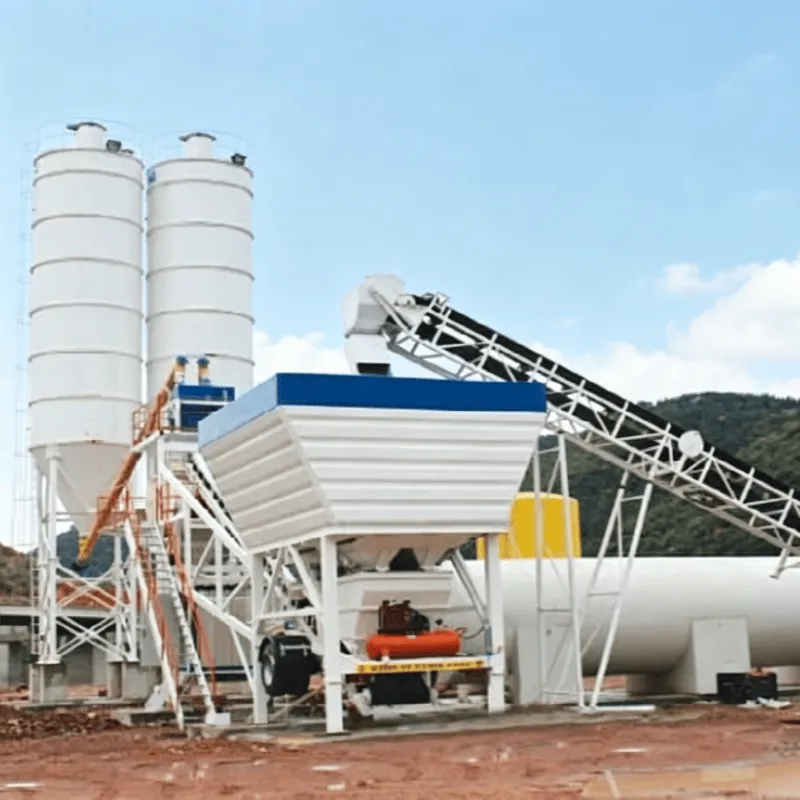
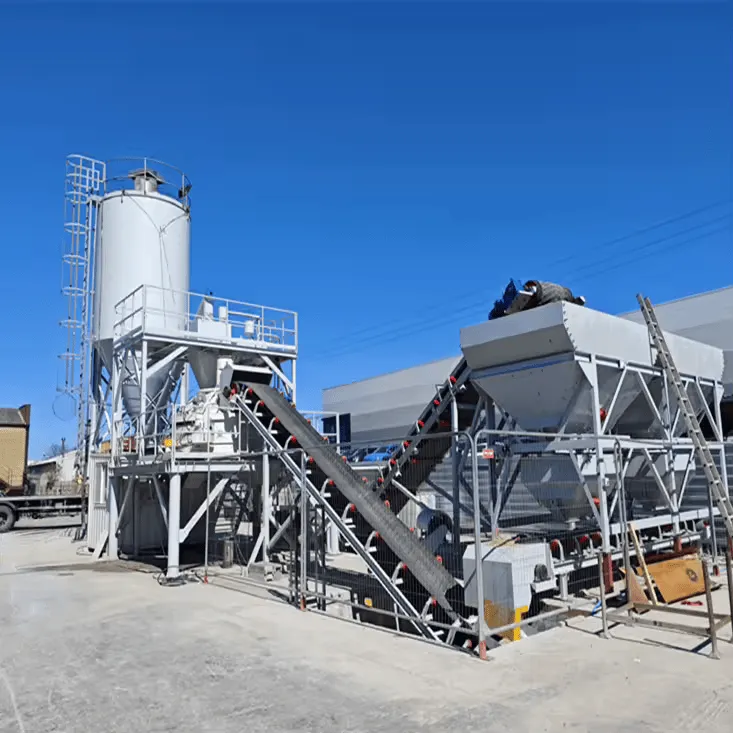
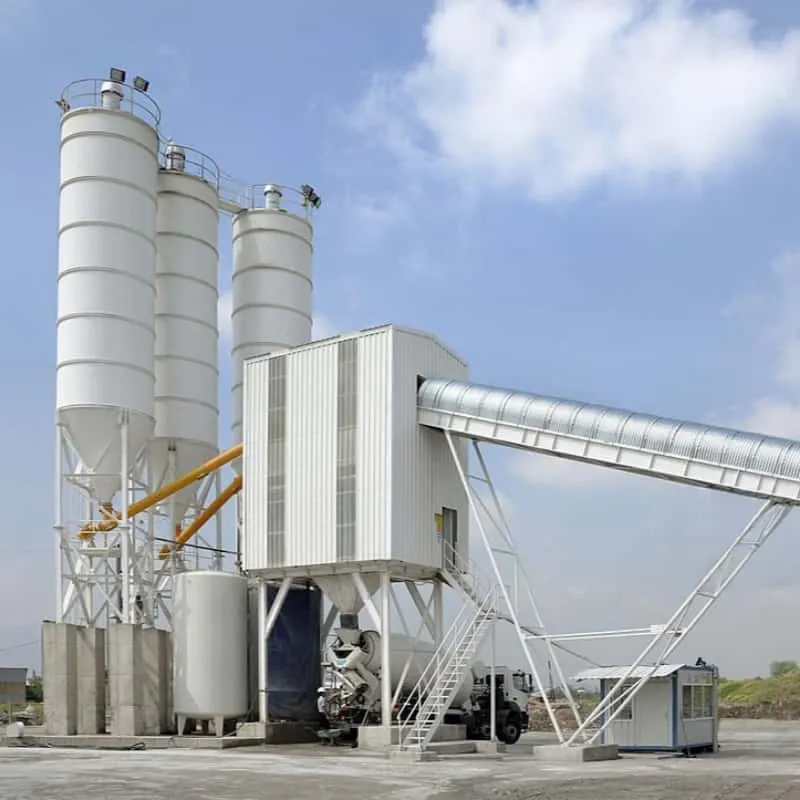
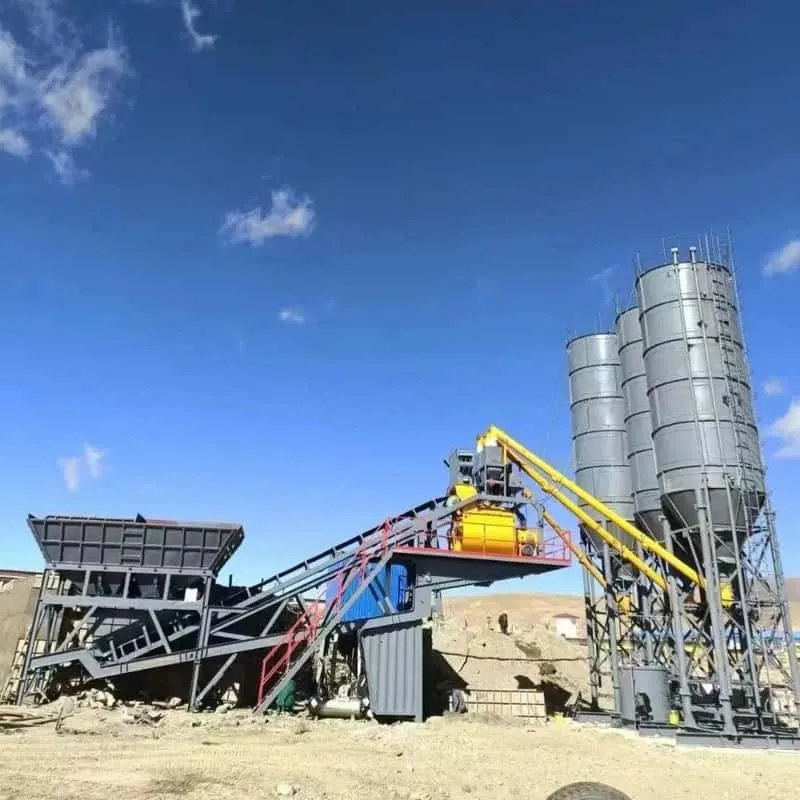
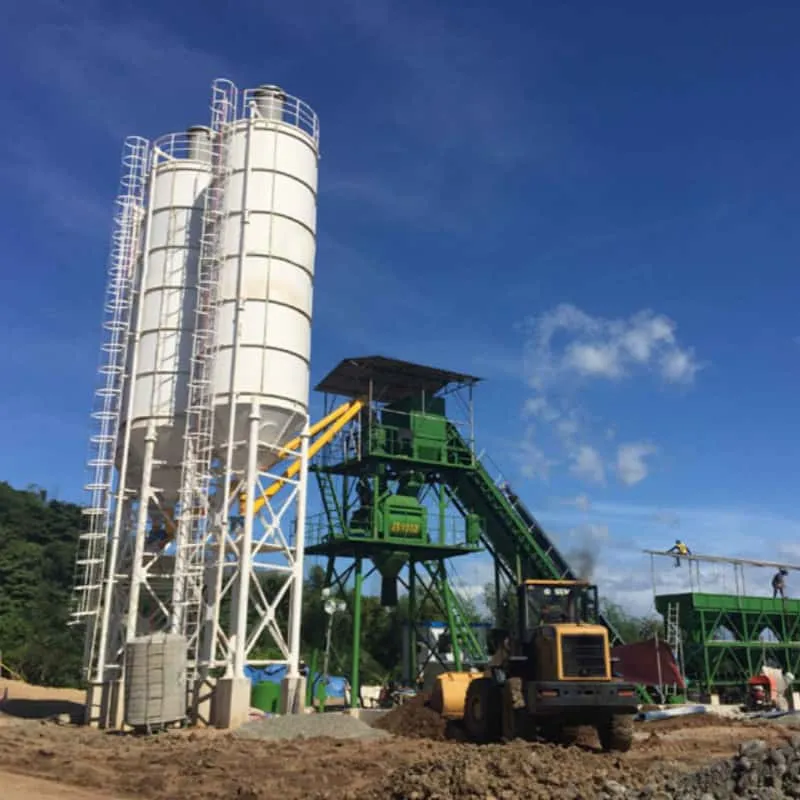
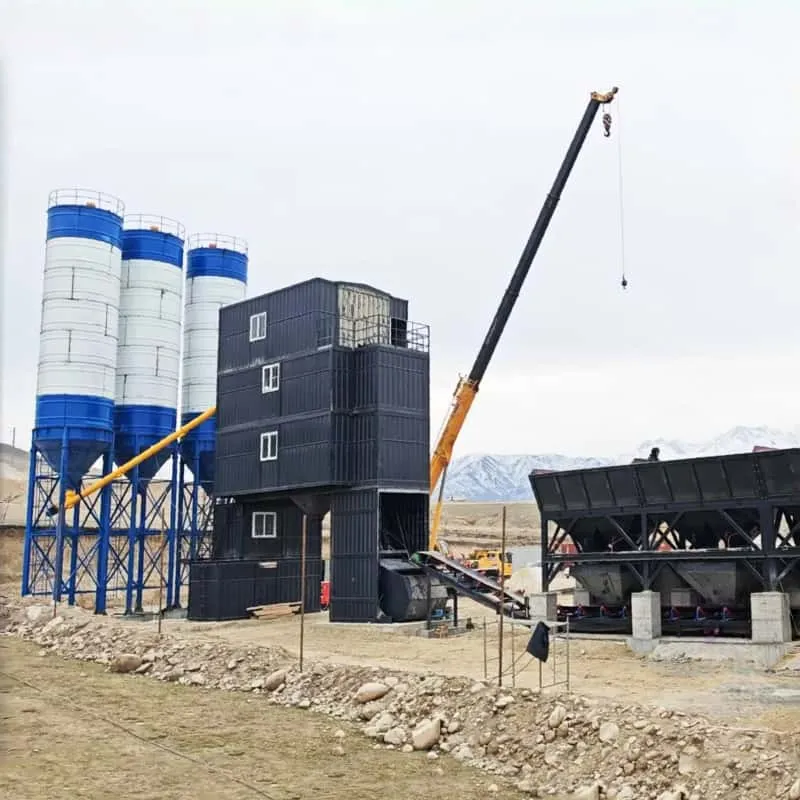
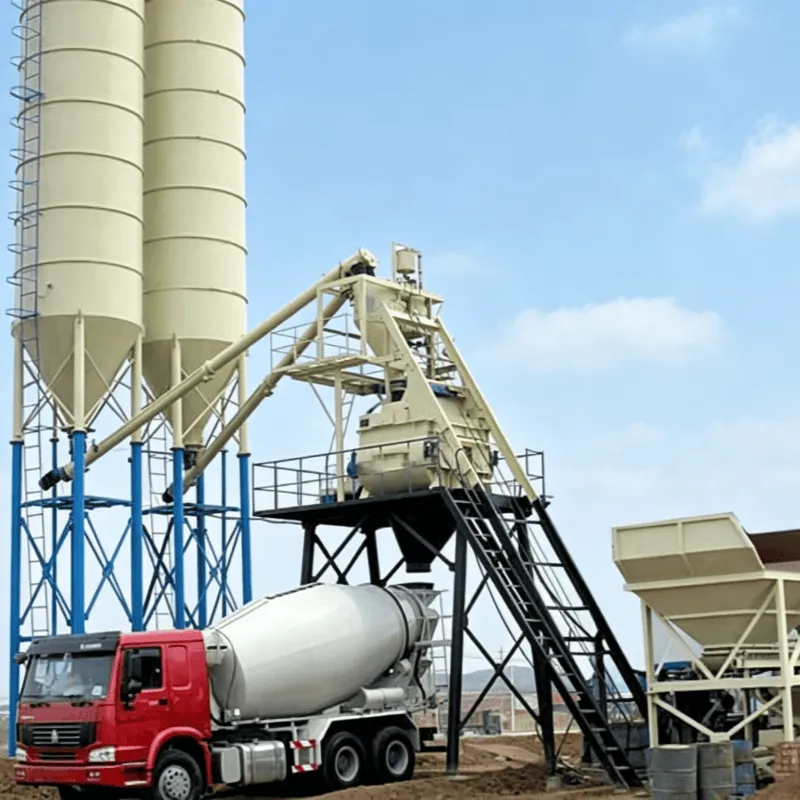
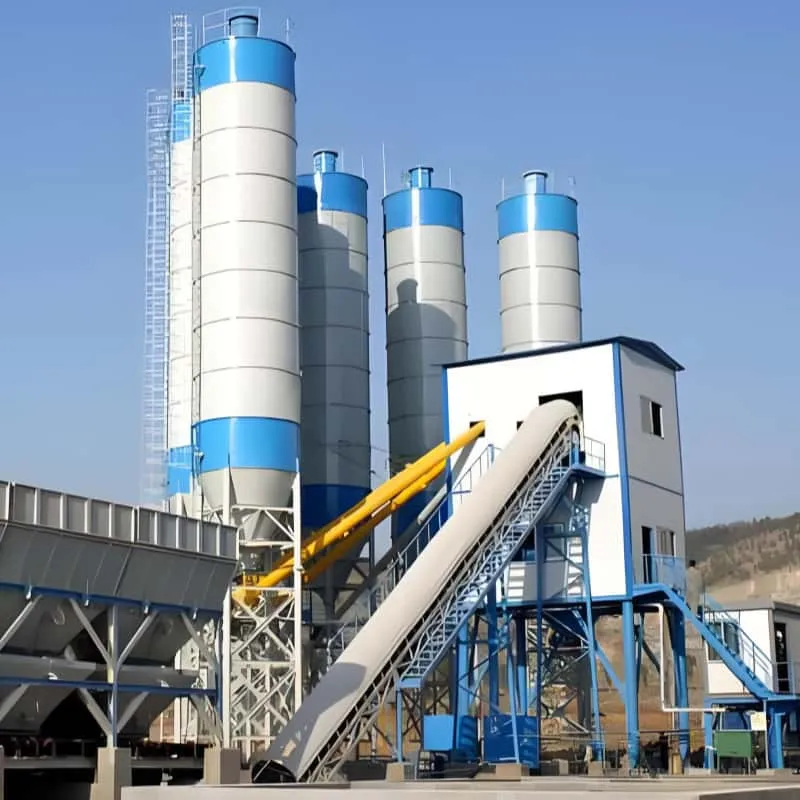
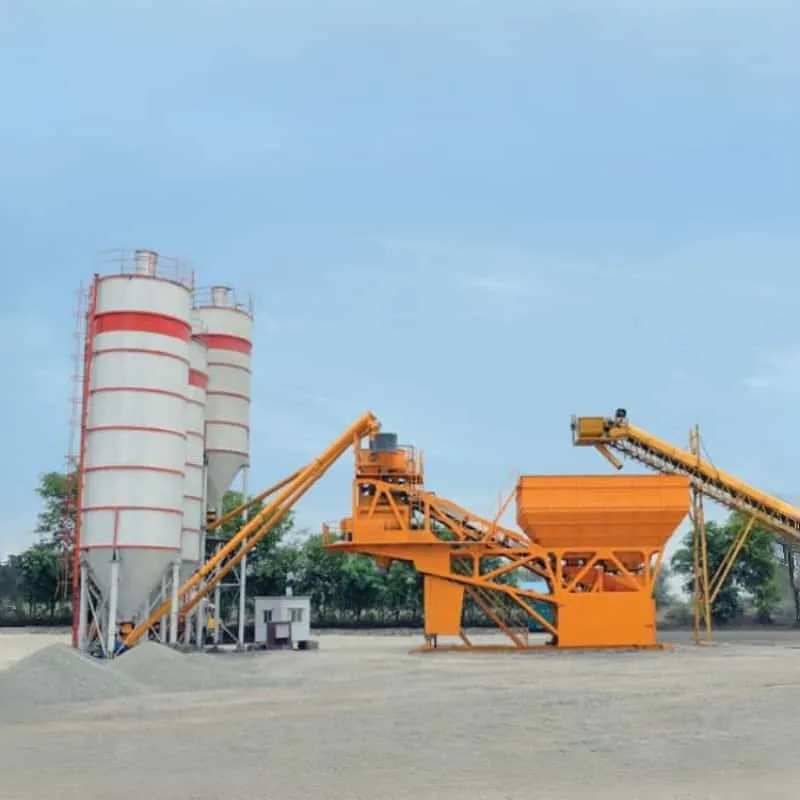
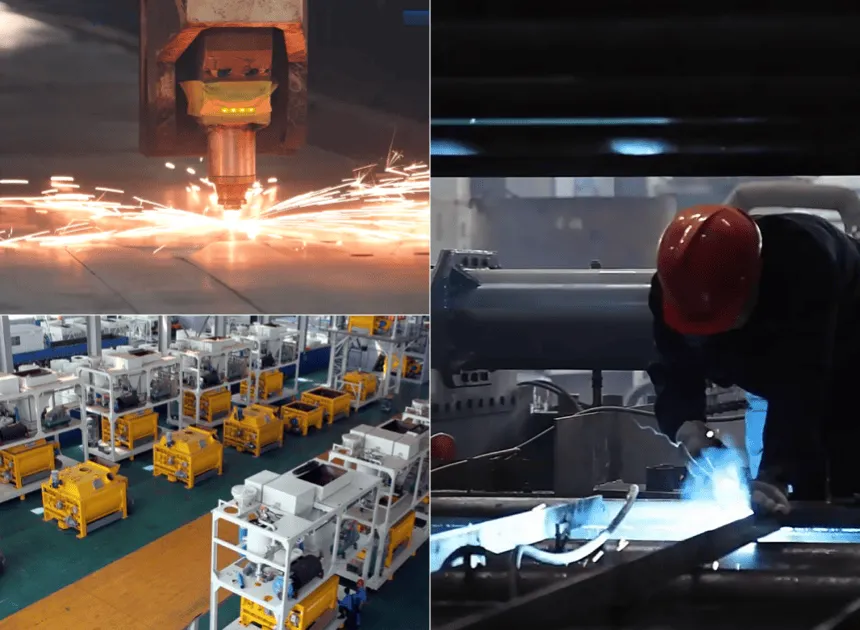
Quality is hidden in the details.
The world-class manufacturing standards behind every concrete plant we build.
why choose us
why choose us?
Your project benefits from a decade of industrial innovation, giving you access to superior materials, interference-free technology, and full-lifecycle support designed to eliminate your downtime risks.
Thicker Frames for 15-Year Durability
We exclusively use Q345B high-strength structural steel, which is significantly thicker and more vibration-resistant than standard industry steel. This ensures your plant stays structurally stable even under full-load operation for over a decade.
No Electrical Interference
To ensure 99%+ weighing accuracy, we use aviation-grade double-shielded cables and isolation transformers. This blocks electromagnetic noise from heavy motors, preventing the data-jumping problems common in cheaper plants.
Smart Controls to Prevent Shutdowns
Our plants use Industrial PLCs (Siemens/Schneider) with a manual-backup system. If the computer has a glitch, your operator can switch to manual control instantly. You will never waste a batch of concrete.
Experience working with a true industry expert.
Get a tailored solution, transparent pricing, and full lifecycle support for your concrete batching plant project.
REAL REVIEWS
what people say
From Q345B steel frames to shielded electronics, our superior materials ensure the precision and stability our partners rely on. These reviews prove how our technology delivers real-world success.

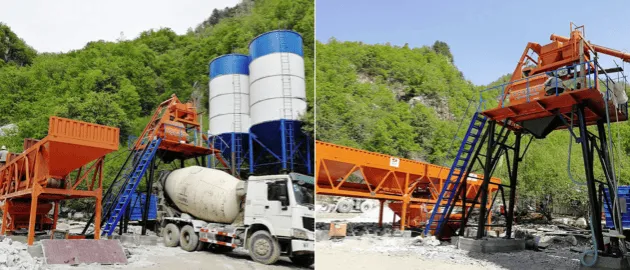
Zero Downtime Despite Unstable Site Power
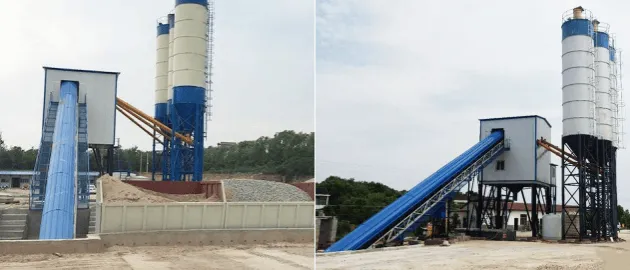
High ROI After Two Years Operation
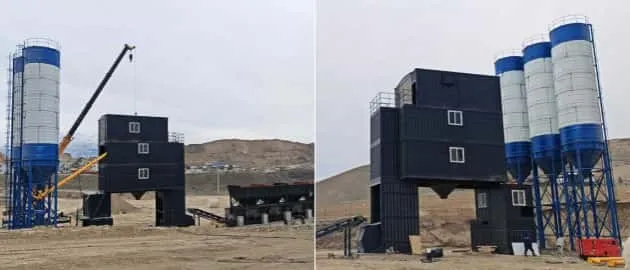
Full Production in Just Ten Days
With 1,500+ successful installations worldwide, we offer a comprehensive lineup of Stationary, Mobile, RMC, Precast plants and more tailored for everything from mega-dams to urban housing. Whatever your project scale, we have a specialized configuration designed to secure your profit and stability.
faq
FAQ
A concrete batching plant is a highly efficient, automated facility designed to produce homogeneous, high-quality concrete. By precisely weighing and mixing raw materials—aggregates, cement, water, and chemical admixtures—it guarantees structural consistency for every pour. From rural road paving to heavy infrastructure, our plants are the driving force behind tunnels, bridges, railways, highways, airports, and commercial real estate projects worldwide.
- Step 1: Aggregate Batching (Material Preparation)
Wheel loaders feed sand and stone into the batching bins. Our high-precision sensors weigh each material independently. Even in dusty environments, our anti-interference shielding ensures the weight data remains 100% accurate.- Aggregates: Multi-bin batching machines (hoppers) for sand and gravel.
- Powders: Vertical steel silos for cement, fly ash, and mineral powders.
- Liquids: Tanks and reservoirs for water and chemical additives.
- Step 2: Powder & Liquid Measurement
Cement is transported via screw conveyors, while water and additives are pumped into their respective weighing hoppers. Our PLC system uses automatic drop compensation to ensure the final weight matches your recipe perfectly, every single time. - Step 3: Material Feeding & Conveying
The weighed sand and stone are moved to the mixer via a belt or skip hoist. Simultaneously, the powders and liquids are discharged into the mixing chamber. The entire timing is synchronized by our stable control system to maximize production speed. - Step 4: Twin-Shaft Mixing
This is the heart of the plant. Our heavy-duty twin-shaft mixer thoroughly blends all ingredients. The robust design handles high-grade concrete (like C50+) easily, ensuring a uniform mix without straining the motor or the structural frame. - Step 5: Concrete Discharging
The finished concrete is discharged into the mixer truck. Throughout this cycle, our backup control system monitors every valve and sensor. If there’s a power surge or signal noise, the system filters it out, keeping your production running without a second of downtime.
- Research and Plan Analyze the local construction market to understand your target customers (contractors, developers, or government projects). Calculate the estimated daily concrete demand to determine the production capacity your business will require.
- Location Secure a site with heavy-duty road access for aggregate dump trucks and concrete transit mixers. Ensure the location is close enough to construction sites so that the fresh concrete can be delivered within the standard 90-minute window before it sets.
- Permits and Regulations Concrete production is strictly regulated. Before purchasing equipment, apply for commercial land-use approvals, business licenses, and essential environmental permits concerning dust emissions and wastewater management.
- Equipment Partner with a reliable, direct manufacturer to select the right machinery. Choose between a stationary plant for high-volume commercial supply or a mobile/foundation-free plant for project-based flexibility, ensuring the capacity (e.g., 60m³/h or 120m³/h) matches your business plan.
- Raw Materials Establish stable, long-term supply contracts with local quarries and cement suppliers. A consistent and cost-effective supply of aggregates (sand and crushed stone), bulk cement, and chemical admixtures is the lifeline of your daily operations.
- Training and Testing Ensure your team is fully trained on the plant’s automated control system to prevent costly operating errors. Run trial batches and partner with a local lab to test the concrete’s compressive strength, ensuring it meets strict industry standards before you sell to clients.
- Marketing Build strong relationships with local builders, road contractors, and infrastructure developers. Focus your sales pitch on your plant’s ability to deliver accurate mix designs, consistent quality, and punctual delivery.
- Operations and Maintenance Maximize your long-term ROI by establishing a strict daily maintenance routine. Regularly inspect weighing sensors, lubricate moving parts, and clean the twin-shaft mixer after every shift to prevent breakdowns and extend the equipment’s lifespan.
Choosing the wrong size is a common mistake. If the plant is too small, you miss peak-hour demand; if it’s too large, your operational costs eat your margins. A general rule is to calculate your maximum daily concrete requirement and divide it by 6 to 8 hours of active production, then add a 20% safety margin.
Because every project is different, we offer a free ROI & Capacity Consultation. Contact our experts today, and we will help you analyze your local market demand to match you with the most profitable model—whether it’s a high-capacity HZS180 or an agile YHZS mobile unit.
We provide full lifecycle support to ensure your plant starts producing as quickly as possible. This includes detailed foundation drawings (or foundation-free steel base designs), factory-prewired modules with plug-and-play connectors, and comprehensive operator training.
Depending on your region, we can dispatch senior engineers for on-site commissioning or provide high-definition remote video guidance. For a localized service plan and a list of our successful cases in your country, please submit an inquiry and our regional manager will reach out to you soon.
We offer flexible installation options to save you time and money. We will provide detailed installation manuals and videos. If you prefer expert guidance, we can dispatch senior engineers to your site to lead the installation and commissioning. You only need to provide local workers and lifting machinery. Our goal is to set up your plant correctly and get you ready for production as fast as possible.
Yes, absolutely. We don’t just sell equipment; we empower your team. We provide comprehensive on-site training to ensure your workers know how to operate and maintain the plant safely. After the setup, we offer 24/7 technical support and conduct regular follow-ups to ensure your plant runs smoothly. If you need any help, our experts are always on standby to protect your project from downtime.